The latest Budget for 2026 has landed, and on first glance, it appears to deliver precisely what many expected from a government keen on steadying the ship. Analysts are quick to point out its emphasis on preserving macroeconomic stability and ensuring policy continuity, aiming to provide a predictable environment for both domestic and international investors. These are undeniably crucial pillars for any robust economy, offering a sense of calm in what can often be turbulent global waters.
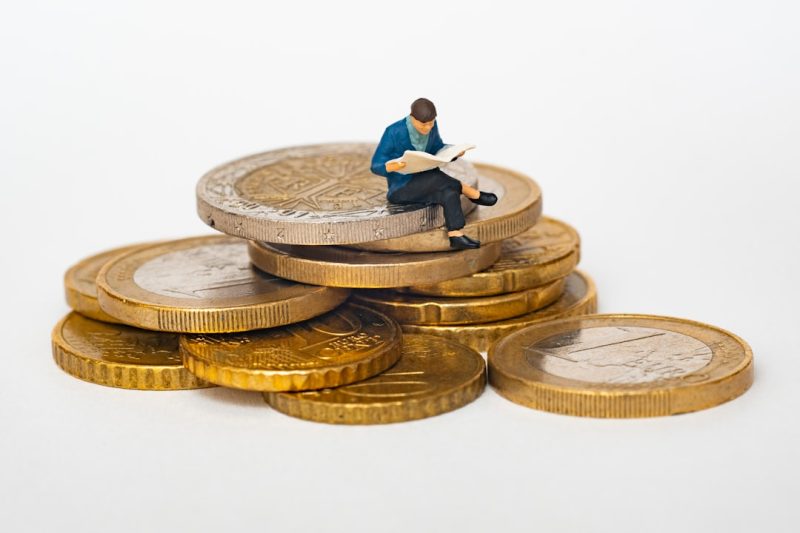
However, once again, beneath the veneer of stability and continuity lies a familiar refrain directed at the nation’s citizens: the call to wait. It seems the Budget, while prudent in its macroeconomic approach, defers the more immediate, tangible benefits that everyday people yearn for. Citizens are being asked to exercise patience—for better job opportunities that are still on the horizon, for a more secure and reliable income that feels perpetually just out of reach, and for the much-touted economic growth to finally translate into palpable relief in their daily lives.
This ‘economics of waiting’ poses a significant question. How long can the public reasonably be expected to defer their aspirations for tangible improvements in living standards? While stability provides a foundation, the aspiration for a more immediate impact on household budgets and personal well-being remains a powerful underlying current. As our contributor ‘SubscriberWrites’ highlights, the challenge for policymakers will be to bridge this gap between long-term vision and immediate citizen needs, ensuring that stability eventually delivers prosperity, rather than just the promise of it.
Source: Original Article